Free CBT Worksheet Printable
Jan 23, 2026
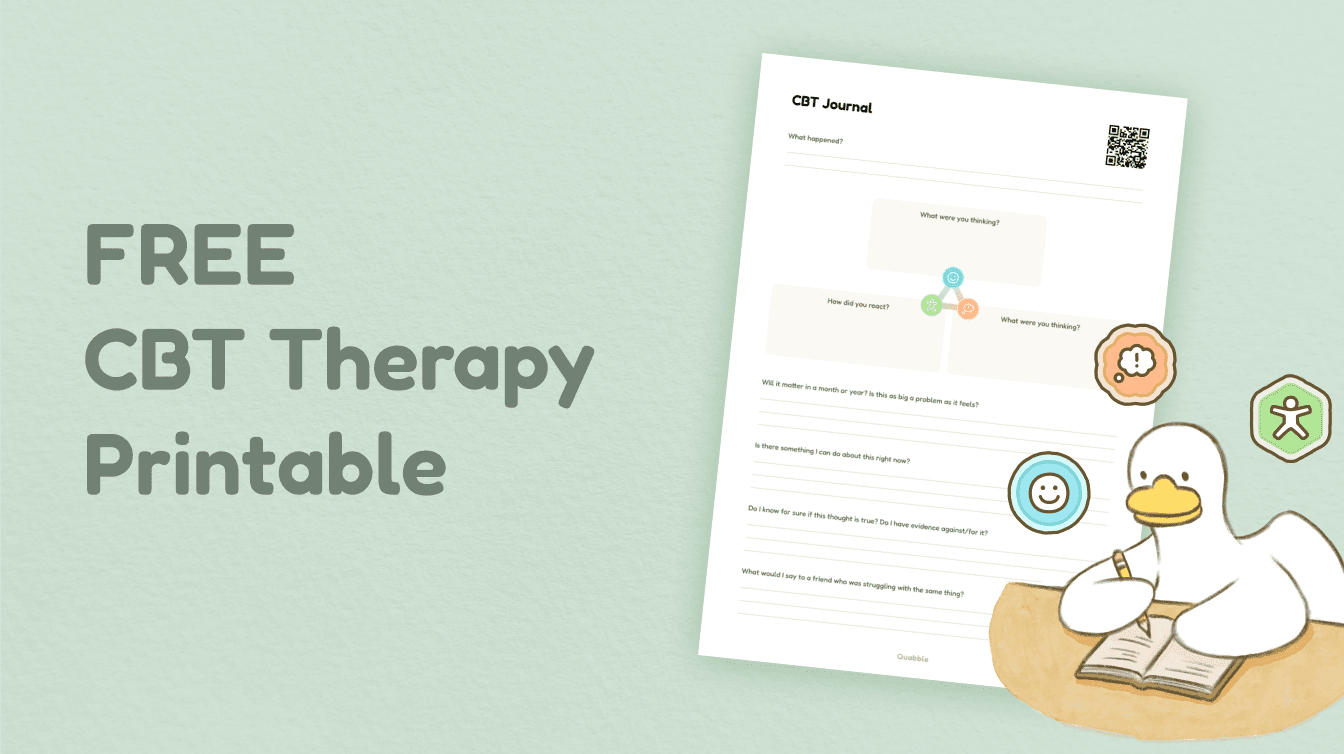
Free Printable CBT Therapy Worksheet
Cognitive Behavioral Therapy focuses on patterns of thinking, behavior, core beliefs, and the coping strategies people use in daily life. But CBT isn’t just something that happens only in therapy calls or meetings. Its real power comes from active practice between sessions, supported by CBT worksheets such as journaling exercises and behavioral experiments.
When clients engage in both in-session and between-session work, therapy becomes more structured, practical, and effective. CBT worksheets help clients notice patterns, challenge unhelpful thoughts, and experiment with new behaviors. When used regularly, they bridge insight with action, supporting skill-building, emotional regulation, and meaningful, lasting change in everyday life.
In this post you’ll find:
The benefits of using CBT worksheets
Common challenges clients face with CBT worksheets
A free CBT worksheet you can download and use right away
Practical ways to incorporate this CBT worksheet into your therapy practice
Why we recommend this CBT journal
Additional ways to support behavior activation in therapy
The Benefits of Using CBT Therapy Worksheets
Incorporating CBT worksheets into therapy sessions and using them as between-session assignments offers many benefits for both clients and the therapy process as a whole.
For clients, CBT journals help:
Identify thought patterns
CBT journals help clients track their thoughts, feelings, and behaviors, and connect them to the situations and life experiences that trigger them. This process invites clients to slow down, take a closer look at their experiences, and notice how thoughts shape feelings and actions. Over time, this awareness enables unlearning unhelpful thought patterns and practicing healthier ways of thinking.Generalize and reinforce skills
Reflecting on thoughts, feelings, and behaviors helps strengthen problem-solving and regulation skills. It also supports applying what your clients learned in therapy to real-life situations, reinforcing using these skills outside the therapy sessions.
Break down overwhelming problemsWithout regular tracking and reflection, feelings can snowball and become overwhelming. CBT worksheets help break down complex experiences and turn them into smaller, more manageable parts. This makes it easier for clients to reflect, gain perspective, and identify actionable steps toward change.
For therapists, CBT worksheets help:
Structure therapy sessions
Regular CBT journal entries help turn thoughts and feelings into concrete material to work with in sessions. They support mental health professionals in identifying focus areas, setting goals, and maintaining a consistent, structured approach to therapy.Personalize interventions
CBT therapy worksheets provide a fuller picture of clients’ thoughts, feelings, and behavior patterns. This helps therapists move from general concepts to individualized, informed strategies that address each client’s specific triggers and challenges.Monitor progress over time
Using CBT worksheets allows therapists to track changes across sessions. Over time, this creates a tangible record of shifts in thoughts, feelings, and behaviors, and offers insight into which strategies and interventions are most effective, while also revealing areas that require further work.
Common Challenges Clients Face with CBT Worksheets
While CBT is widely used and one of the most researched psychotherapy approaches, it comes with its own challenges. In practice, these challenges often show up around emotional intensity, effort, and cognitive load, and may look like:
Difficulty confronting painful feelings
Some clients may resist CBT worksheets because these assessments often require facing difficult thoughts and situations. This can feel overwhelming or leave clients feeling emotionally or even physically drained after completing an exercise. Many clients also report that reflecting on distressing or negative thoughts can temporarily lower their mood.Difficulty articulating thoughts
Clients often notice their feelings before they can clearly identify the thoughts driving them. Even when clients understand CBT concepts in theory, translating that understanding into written reflection can be challenging. This gap between insight and application can become a blocker for daily reflections.Difficulty being vulnerable
In some cases, clients may be able to identify their thoughts and feelings but be hesitant to put them on paper for a therapist to work with. Sharing personal thoughts, even in a safe environment, can feel exposing. This hesitation may lead to guarded or incomplete responses, which can limit the usefulness of the worksheet and slow therapy progress.Difficulty committing to the task
CBT worksheets require regular entries, which for some clients may be hard to sustain. Inconsistency is common, especially when clients are dealing with depression, anxiety, or stress. For these clients, the effort required to maintain a journaling habit can feel overwhelming and may lead to skipped or partially completed exercises.
Free Printable CBT Therapy Worksheet
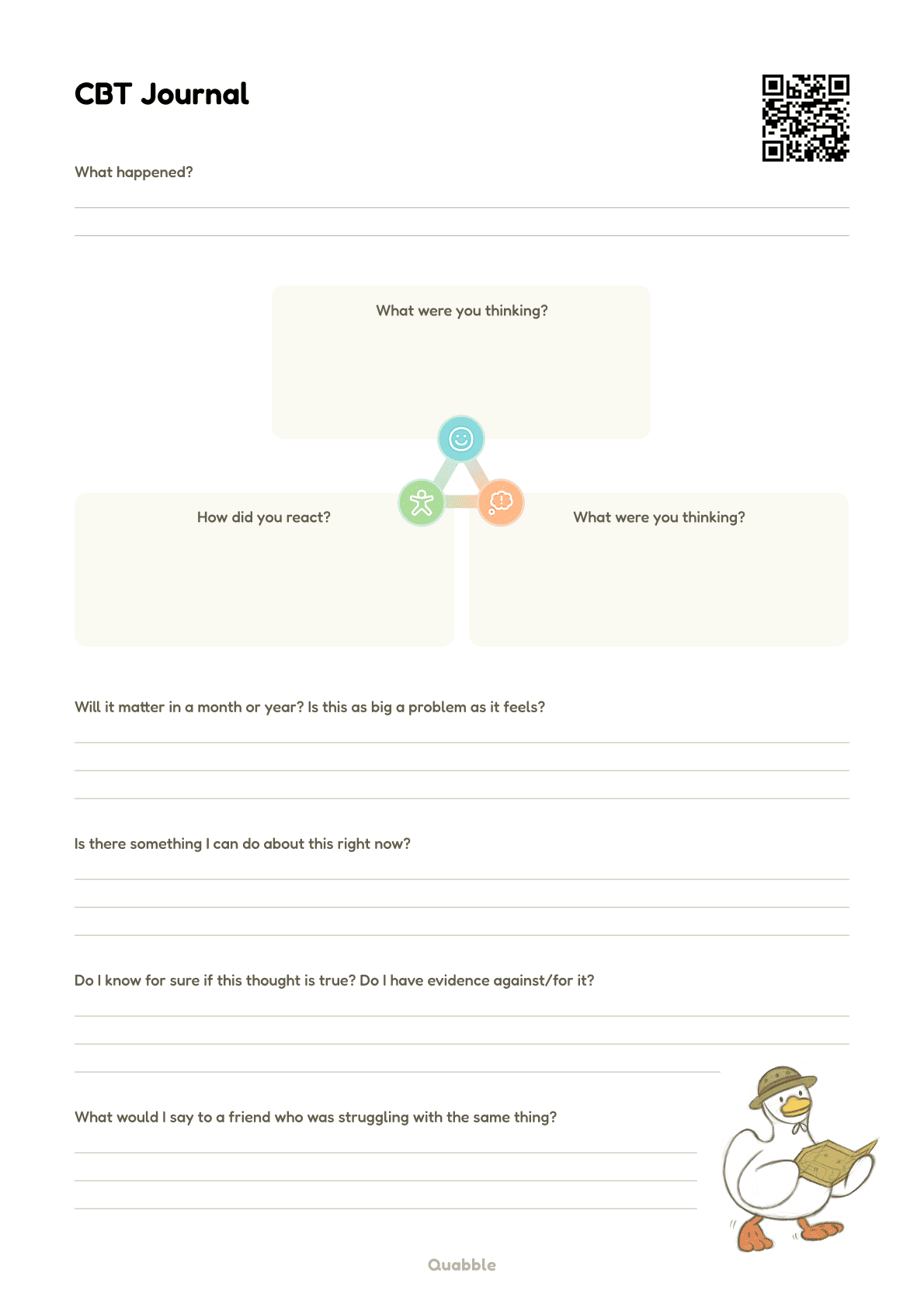
This CBT journal helps clients break down their experiences into thoughts, feelings, and behaviors, supporting a shift in perspective and encouraging responding rather than reacting. Clear written prompts reduce the “blank page” syndrome, making it easier for clients to reflect on context, thoughts, and responses.
By regularly working with this worksheet, clients can zoom out to assess the scope of a situation, look at it from multiple angles, and identify actionable ways to respond and support themselves during challenging moments. When used regularly, this CBT journal helps build awareness of patterns in feelings and behaviors, and supports clients in approaching similar situations differently in the future.
Free Printable CBT Therapy Worksheet
Cognitive Behavioral Therapy focuses on patterns of thinking, behavior, core beliefs, and the coping strategies people use in daily life. But CBT isn’t just something that happens only in therapy calls or meetings. Its real power comes from active practice between sessions, supported by CBT worksheets such as journaling exercises and behavioral experiments.
When clients engage in both in-session and between-session work, therapy becomes more structured, practical, and effective. CBT worksheets help clients notice patterns, challenge unhelpful thoughts, and experiment with new behaviors. When used regularly, they bridge insight with action, supporting skill-building, emotional regulation, and meaningful, lasting change in everyday life.
In this post you’ll find:
The benefits of using CBT worksheets
Common challenges clients face with CBT worksheets
A free CBT worksheet you can download and use right away
Practical ways to incorporate this CBT worksheet into your therapy practice
Why we recommend this CBT journal
Additional ways to support behavior activation in therapy
The Benefits of Using CBT Therapy Worksheets
Incorporating CBT worksheets into therapy sessions and using them as between-session assignments offers many benefits for both clients and the therapy process as a whole.
For clients, CBT journals help:
Identify thought patterns
CBT journals help clients track their thoughts, feelings, and behaviors, and connect them to the situations and life experiences that trigger them. This process invites clients to slow down, take a closer look at their experiences, and notice how thoughts shape feelings and actions. Over time, this awareness enables unlearning unhelpful thought patterns and practicing healthier ways of thinking.Generalize and reinforce skills
Reflecting on thoughts, feelings, and behaviors helps strengthen problem-solving and regulation skills. It also supports applying what your clients learned in therapy to real-life situations, reinforcing using these skills outside the therapy sessions.
Break down overwhelming problemsWithout regular tracking and reflection, feelings can snowball and become overwhelming. CBT worksheets help break down complex experiences and turn them into smaller, more manageable parts. This makes it easier for clients to reflect, gain perspective, and identify actionable steps toward change.
For therapists, CBT worksheets help:
Structure therapy sessions
Regular CBT journal entries help turn thoughts and feelings into concrete material to work with in sessions. They support mental health professionals in identifying focus areas, setting goals, and maintaining a consistent, structured approach to therapy.Personalize interventions
CBT therapy worksheets provide a fuller picture of clients’ thoughts, feelings, and behavior patterns. This helps therapists move from general concepts to individualized, informed strategies that address each client’s specific triggers and challenges.Monitor progress over time
Using CBT worksheets allows therapists to track changes across sessions. Over time, this creates a tangible record of shifts in thoughts, feelings, and behaviors, and offers insight into which strategies and interventions are most effective, while also revealing areas that require further work.
Common Challenges Clients Face with CBT Worksheets
While CBT is widely used and one of the most researched psychotherapy approaches, it comes with its own challenges. In practice, these challenges often show up around emotional intensity, effort, and cognitive load, and may look like:
Difficulty confronting painful feelings
Some clients may resist CBT worksheets because these assessments often require facing difficult thoughts and situations. This can feel overwhelming or leave clients feeling emotionally or even physically drained after completing an exercise. Many clients also report that reflecting on distressing or negative thoughts can temporarily lower their mood.Difficulty articulating thoughts
Clients often notice their feelings before they can clearly identify the thoughts driving them. Even when clients understand CBT concepts in theory, translating that understanding into written reflection can be challenging. This gap between insight and application can become a blocker for daily reflections.Difficulty being vulnerable
In some cases, clients may be able to identify their thoughts and feelings but be hesitant to put them on paper for a therapist to work with. Sharing personal thoughts, even in a safe environment, can feel exposing. This hesitation may lead to guarded or incomplete responses, which can limit the usefulness of the worksheet and slow therapy progress.Difficulty committing to the task
CBT worksheets require regular entries, which for some clients may be hard to sustain. Inconsistency is common, especially when clients are dealing with depression, anxiety, or stress. For these clients, the effort required to maintain a journaling habit can feel overwhelming and may lead to skipped or partially completed exercises.
Free Printable CBT Therapy Worksheet
This CBT journal helps clients break down their experiences into thoughts, feelings, and behaviors, supporting a shift in perspective and encouraging responding rather than reacting. Clear written prompts reduce the “blank page” syndrome, making it easier for clients to reflect on context, thoughts, and responses.
By regularly working with this worksheet, clients can zoom out to assess the scope of a situation, look at it from multiple angles, and identify actionable ways to respond and support themselves during challenging moments. When used regularly, this CBT journal helps build awareness of patterns in feelings and behaviors, and supports clients in approaching similar situations differently in the future.
Download the Activity
Practical Ways to Incorporate This CBT Worksheet into Your Therapy Practice
You can incorporate this CBT journal into your therapy practice as a between-session assignment for structured behavior tracking with these five steps:
Introduce the activity
Explain how journaling supports awareness and skill-building, and what kind of insights you and your clients can get with consistent entries over time.Set clear expectations
Encourage your clients to focus on identifying the situation, feelings, automatic thoughts, and evidence for and against those thoughts. Walk through a practical example so clients know how to complete entries.Make it accessible
Share the digital version of the worksheet with your client or provide enough printed copies to last until your next session.Review entries together
Set aside some time during your sessions to review entries together. Use them to identify patterns, gently challenge cognitive distortions such as catastrophic thinking or self-deprecating thoughts, track progress, and reinforce skills.Tailor interventions
Use the client’s responses to shape strategies and interventions that align with their specific challenges, strengths, and goals.
Why We Recommend This CBT Worksheet
We recommend this journal to mental health professionals because it helps clients bridge the gap between thoughts, feelings, and behavior, supporting a move toward more balanced thinking patterns. Unlike open-ended diaries, it offers a clear, actionable, and consistent framework, making it easier for clients to complete entries regularly and reflect on patterns over time.
The journal encourages clients to focus on specific situations and examine them from multiple angles: what happened, the thoughts that showed up in the moment, and how they responded, rather than reflecting on general feelings. This level of specificity helps clients separate observable facts from interpretations, opinions, and limiting beliefs, making the work more grounded and useful in therapy.
Additional Ways to Support Behavior Activation in Therapy
While worksheets like this are ideal for clients who prefer traditional paper-based formats or PDFs, there are other ways to track behaviors, feelings, and reactions that fit into the busy schedules of modern adults. That’s why we created Quabble, an app offering over 20 activities to support clients’ mental health, including this CBT worksheet in a digital format.
A digital version of the CBT journal helps clients stay consistent with reminders, allowing them to easily incorporate it into their morning or evening routines, access the journal anytime from their phones, and explore additional ways to apply insights from therapy sessions.
Try Quabble for free and see how digital activities like this journal can support your clients’ mental health journey.
Practical Ways to Incorporate This CBT Worksheet into Your Therapy Practice
You can incorporate this CBT journal into your therapy practice as a between-session assignment for structured behavior tracking with these five steps:
Introduce the activity
Explain how journaling supports awareness and skill-building, and what kind of insights you and your clients can get with consistent entries over time.Set clear expectations
Encourage your clients to focus on identifying the situation, feelings, automatic thoughts, and evidence for and against those thoughts. Walk through a practical example so clients know how to complete entries.Make it accessible
Share the digital version of the worksheet with your client or provide enough printed copies to last until your next session.Review entries together
Set aside some time during your sessions to review entries together. Use them to identify patterns, gently challenge cognitive distortions such as catastrophic thinking or self-deprecating thoughts, track progress, and reinforce skills.Tailor interventions
Use the client’s responses to shape strategies and interventions that align with their specific challenges, strengths, and goals.
Why We Recommend This CBT Worksheet
We recommend this journal to mental health professionals because it helps clients bridge the gap between thoughts, feelings, and behavior, supporting a move toward more balanced thinking patterns. Unlike open-ended diaries, it offers a clear, actionable, and consistent framework, making it easier for clients to complete entries regularly and reflect on patterns over time.
The journal encourages clients to focus on specific situations and examine them from multiple angles: what happened, the thoughts that showed up in the moment, and how they responded, rather than reflecting on general feelings. This level of specificity helps clients separate observable facts from interpretations, opinions, and limiting beliefs, making the work more grounded and useful in therapy.
Additional Ways to Support Behavior Activation in Therapy
While worksheets like this are ideal for clients who prefer traditional paper-based formats or PDFs, there are other ways to track behaviors, feelings, and reactions that fit into the busy schedules of modern adults. That’s why we created Quabble, an app offering over 20 activities to support clients’ mental health, including this CBT worksheet in a digital format.
A digital version of the CBT journal helps clients stay consistent with reminders, allowing them to easily incorporate it into their morning or evening routines, access the journal anytime from their phones, and explore additional ways to apply insights from therapy sessions.
Try Quabble for free and see how digital activities like this journal can support your clients’ mental health journey.
© 2025 museLIVE Inc.
© 2025 museLIVE Inc.