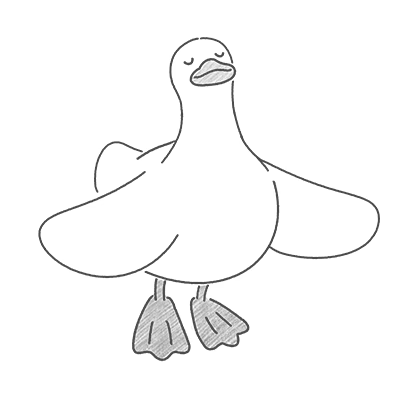
How to Do Box Breathing in 4 Simple Steps
New to the box breathing technique? Sit comfortably, relax your shoulders, and notice your normal breathing.
Ready? Try these four steps:
Breathe in for four counts. Inhale gently through your nose, counting slowly in your head.
Hold for four counts. Pause without squeezing your chest or straining.
Breathe out for four counts. Let the air out slowly and comfortably.
Pause for four counts. Hold after your exhale, then begin again.
That's one round. You can repeat it three or four times to start.
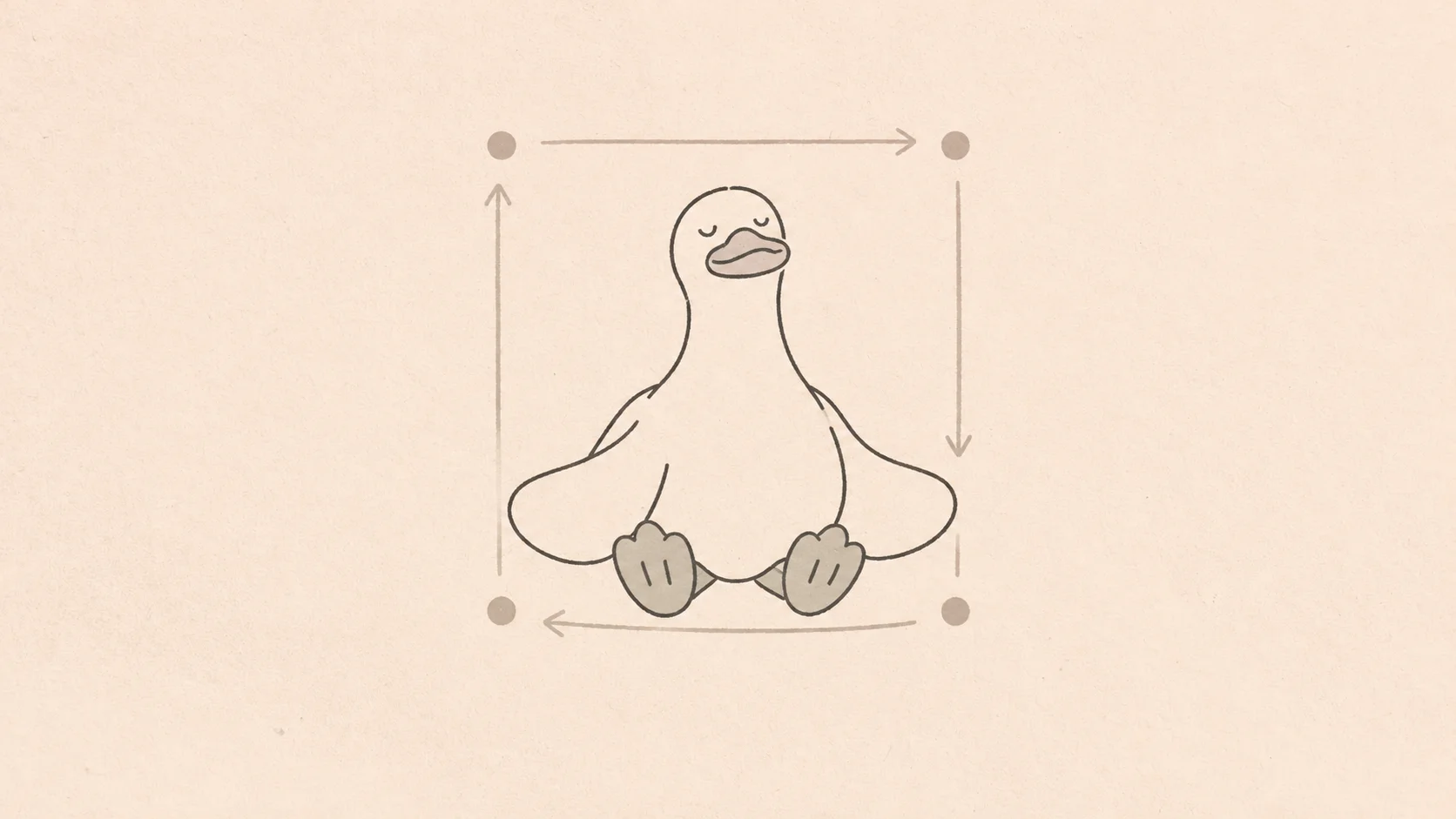
A little trick: picture your finger tracing a square as you go. Each four-count step takes you along another side. If you lose track, simply begin again. There's no score to keep here.
If four counts feel uncomfortable, it's fine to stop or try gentler breathing without the holds. Your breathing should never feel forced.
Why Can Box Breathing Help You Feel Calmer?
Ever noticed how your breathing changes when you're nervous? Maybe it gets faster before an important call, or you catch yourself taking shallow breaths during an argument.
When you're stressed, your body can shift into a more alert state. Deliberately slowing your breathing may encourage relaxation. The Cleveland Clinic explains that box breathing can support the body's rest-and-digest response.
And while you're counting, your mind has something else to focus on besides everything that's worrying you.
Research offers some encouraging findings, too. A 2023 study published in Cell Reports Medicine explored several breathing exercises, including box breathing, practiced for five minutes daily over a month. The results suggested benefits for mood, although box breathing wasn't shown to be the most effective technique.
So, will you feel calmer after just one minute? Maybe. You might notice your shoulders relax or find it easier to focus. Or you might not feel much different, and that's okay too.
Box Breathing for Anxiety: When Might It Help?
You don't need to wait for a particularly bad day to give it a try.
Before a difficult conversation. You want to explain why something hurt you, but you're worried you'll sound angry. A few rounds of breathing might help you gather your thoughts before you speak.
When you can't stop replaying something. Remember that awkward comment you made yesterday? Your mind certainly does. Counting your breaths gives you another place to put your attention for a moment.
In the middle of a busy day. Three notifications arrive while you're already behind on work. Before you open another tab, try a brief pause.
When you're winding down. The day is over, but your thoughts haven't quite caught up. Gentle breathing may help you shift into a quieter part of your evening.
Using box breathing for anxiety doesn't mean pretending you're okay when you're not. It simply gives you a chance to check in with yourself before deciding what you need.
If your thoughts tend to run in circles, we also explore ways to reconnect with the present in our Story on practicing mindfulness when you're overthinking.
What If Holding Your Breath Doesn't Feel Good?
Then you don't have to do it. Really.
For some people, holding their breath can feel uncomfortable or make anxiety worse. If you feel dizzy, short of breath, or more distressed, stop and breathe normally.
You could instead try slow, gentle inhales and exhales without pausing. The NHS recommends keeping breathing comfortable rather than forcing it.
If you have a condition affecting your breathing, check with a healthcare professional before trying breath-holding exercises. And if anxiety regularly disrupts your life, breathing exercises can be a helpful tool alongside, not instead of, professional support.
Frequently Asked Questions
Is square breathing the same as box breathing?
Yes. Both names refer to the same four-part breathing pattern.
How long should I practice box breathing?
Try three or four rounds at first. With four-second counts, that's roughly a minute. Stop whenever you need to.
Does box breathing help with anxiety?
It may help manage anxious feelings in the moment, but everyone's experience is different. It doesn't treat the underlying cause of anxiety.
Can I try box breathing before bed?
Yes, if the breath-holding feels comfortable. If it doesn't, choose a gentler breathing exercise instead.
A Little Breathing Space Goes a Long Way
The difficult conversation may still need to happen. The to-do list might still be waiting. But taking a minute to breathe can help you feel a little more ready for whatever comes next.
At Quabble, we believe caring for your mind shouldn't require a complicated routine. If you'd like some guidance, explore our 1 min Breathing mind workout and find a little breathing space in your day.


