
First, Catch the Loop Before It Gets Louder
You can't always stop a thought from showing up. You can get curious about what happens when it does.
1. Notice when you're repeating yourself. You've replayed that meeting four times. Has anything new come up, or are you hearing the same worry again? Try asking yourself, “Have I learned anything since the last replay?” If not, you might be going in circles.
2. Separate facts from guesses. Your friend hasn't replied. That's what you know. "They must be upset with me" is one possible explanation, not proof. Look for other possibilities before settling on the worst one. The NHS recommends checking the evidence behind unhelpful thoughts.
3. Find what you can influence. Nervous about tomorrow's meeting? You can prepare a few questions, but you can't predict everyone's reaction. You might find it more useful to prepare for what you know than to keep imagining how everyone will react.
Not Every Decision Needs Another Round of Debate
4. Take one small step. Your inbox has been sitting there all morning while you plan the perfect way to tackle it. Try answering one message that needs only a short reply. Sometimes doing one thing tells you more than planning another ten.
5. Give small decisions a stopping point. You've spent twenty minutes comparing cafés, and now they all look equally good. Give yourself five more minutes to pick one. The coffee might be excellent or just okay. Either way, you'll have made it out of the reviews.
6. Leave a little room for uncertainty. You can reread a message ten times and still not know how the other person will respond. Eventually, you've said what you mean as clearly as you can. The rest isn't something you can decide in advance.
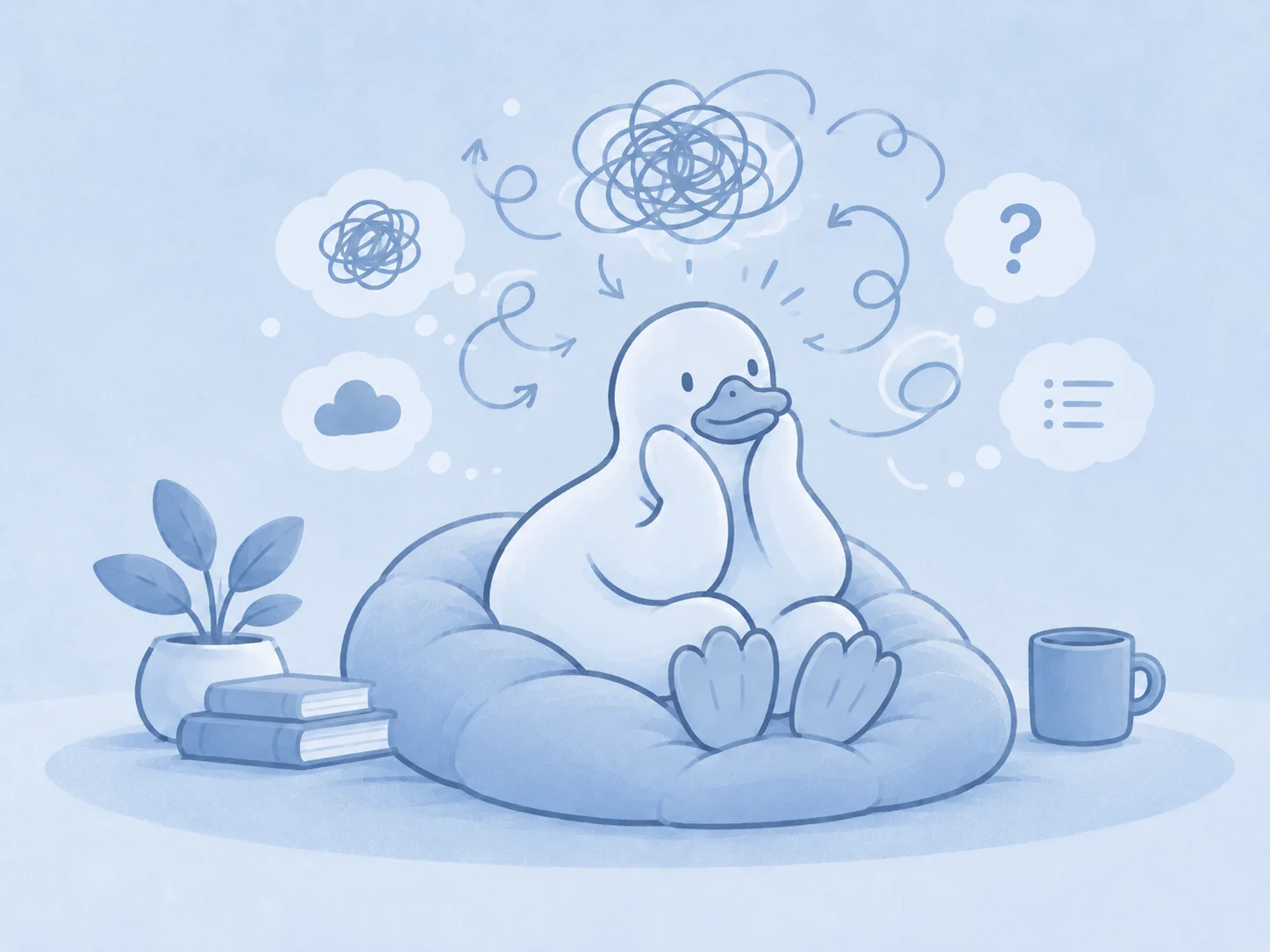
When Your Thoughts Refuse to Move On
Some worries don't vanish just because you've spotted the pattern. A different kind of pause might help.
7. Set aside time for worries. If the same concern keeps interrupting your day, try giving it ten or fifteen minutes later on. The NHS calls this "worry time". When it pops up earlier, remind yourself there's a time to return to it. You don't need to settle it in the supermarket queue.
8. Put the thought on paper. Sometimes the same question keeps coming back, even when you don't have an answer yet. Write a sentence about what's bothering you, then leave it somewhere you can return to. It doesn't have to become a full journal entry or another list of tasks.
9. Give your attention somewhere new to go. Maybe you hear rain against the window or notice the light shifting across your desk. Those small details can bring your attention back to the room you're in, even if the worry is still there. Practicing mindfulness when you're overthinking offers more ways to try this.
What If Your Mind Still Won't Settle?
Sometimes you notice yourself overthinking, try something different, and find yourself back on the same worry before the day is over.
That's frustrating, especially when it involves something you genuinely care about. Notice when the pattern tends to show up, or talk it through with someone you trust. If worries regularly affect your sleep, relationships, or daily life, a mental health professional can help you find more tailored support.
Frequently Asked Questions
How do I stop overthinking at night?
If a task is keeping you awake, jot down a reminder for tomorrow. Then try a quiet activity instead of solving it all in bed.
Why do I overthink small decisions?
You may be trying to avoid regret. For a low-stakes choice, a short time limit can make deciding easier.
Can overthinking be connected to anxiety?
Yes. Repetitive worry can accompany anxiety, but overthinking by itself doesn't mean you have an anxiety disorder.
How long does it take to change an overthinking habit?
There's no fixed timeline. Finding useful responses to recurring thoughts often takes practice.
You Don't Have to Answer Every Thought
Maybe that movie isn't the perfect choice. You can still press play.
Bigger worries aren't always as easy to set aside as movie reviews. But you can ask which ones need attention now, which can wait, and which aren't yours to solve.
If you'd like somewhere to put recurring concerns, Quabble's Worry Box mind workout lets you save worries and revisit them later to explore what you can act on.
You don't need an answer to every thought before getting on with your day.


